
Medical Equipment After Surgery: Which Patients May Need It at Home in Bengaluru?
Bringing loved ones home after hospitalization is exciting. However, there can be a surge of anxiety wondering if your home is safe after a hospitalization. In that recovery state, is your bedroom safe for their recovery?
Figuring out whether you need medical equipment after surgery is one of the most common challenges families face. Standard home setups simply aren’t designed for limited mobility or post-operative care. You might question how your family member will safely get out of a regular bed, use the bathroom, or move around the house.
You are totally justified in being overwhelmed with these questions. Let’s clear up the confusion and see which patients will most need additional support at home. You can alleviate the anxiety of preparing at home for a safe recovery.
⏱️ 1-Minute Summary / Key Takeaways:
-
Not all surgeries require home medical equipment; it depends entirely on the patient’s mobility, not the surgery type.
-
The most commonly needed equipment includes Hospital Beds, Wheelchairs, Walkers, and Respiratory Devices (like CPAP/BiPAP).
-
You do not always need to buy; renting equipment is often the most cost-effective solution for short-term recovery.
-
To ensure safety, clear pathways in the home and place essential items within arm’s reach of the patient’s bed.
-
Need equipment in Bengaluru today? Contact KR Healthcare for 24/7 delivery and setup.
What Happens After a Patient Is Discharged From the Hospital?
Hearing “you can go home” from a doctor in the hospital is always a relief. Unfortunately, a lot of hospital patients are not fully recovered enough to leave the hospital, and safely going home just means that they are safe enough to continue their recovery.
The real recovery will happen in your home. Those first few weeks are the hardest, both for you and the patient. Moving around can be difficult. The tasks you normally do every day become difficult for the patient. These include tasks such as getting in and out of bed, going to the bathroom, and even just eating a meal.
Because their recovery is limited to their house, they will need plenty of assistance from family members and caregivers. You will need to assist them in moving while also ensuring their safety.
Preparing your home in advance is vital. You will need to set up your home in a safe manner to prepare for the patient’s new needs because it will lessen the stress on you and make your daily obligations much easier.
Does Every Patient Need Medical Equipment After Surgery?
Do not think you need to do any renovations to your bedroom to create a temporary hospital. No.
Everyone’s recovery looks differently. For example, one patient might be able to walk with ease within 72 hours, and another patient may need help standing.
Whether or not your loved one actually needs equipment is a question of how they are able to do 5 things:
Move: Can they get out of bed?
Stay in Place: As in, can they sit and stand pain-free and without help?
Heal: Is it going to take a few days? Maybe a little longer?
Help: Is your family going to be alright helping with the recovery?
Doc’s Orders: How about this, what does your surgeon and/or therapist say?
If all those things are checked, then no equipment is needed as long as walking and getting up is pain free.
Bengaluru Surgery Trends: What Do They Tell Us About Home Recovery?
Bengaluru is an Indian city with one of the largest healthcare hubs and thousands of people having surgeries. Hospitals in Bengaluru offer every kind of treatment from general surgeries and orthopedic surgeries to common ENT and ophthalmology (eye) surgeries.
When you think of all these operations, it seems like all these patients must go home with some kind of medical equipment. But the fact of the matter is, large numbers of surgical operations do not necessarily result in a large requirement of home medical equipment.
For example, a patient who has an eye surgery or an ENT surgery of a minor nature, walks home and requires no assistance whatsoever and needs no equipment in their bedroom.
Operational numbers of surgeries are not important, the key question is, will your relative not be able to walk? Will they not be able to sit? Will they require considerable assistance in focused activities and will they require a considerable amount of time for complete recovery?
This is the single most important point. The nature of the surgery does not affect the equipment requirement, but the ability to carry out day to day activities does.
Which Patients May Need Medical Equipment at Home?
While not everyone might require medical equipment after surgery, the right pieces of equipment, when necessary, can help patients get better and keep them safer. Below are the groups of persons who benefit the most.
Limited Mobility Patients
Some patients have challenges with some of the aspects of movement such as standing, balancing, or walking, and that greatly increases the risk of falling. Support equipment helps patients to move around without placing a burden on a family member.
Orthopaedic Surgery Patients
In the orthopaedic surgery sub-specialty, the list of surgeries requiring some sort of supportive equipment is almost endless. Some examples include:
- restricting weight-bearing in knee and hip surgeries
- splinting elevation of fractured limbs
- surgeries of the spine that result in considerable pain and inability to bend, twist, sit up, or recline without back support.
Elderly Surgery Patients
Unfortunately, surgery typically leaves the elderly weak, with balance problems and a great reduction in mobility. This is the case not only with extensive and prolonged surgery, but with minimal surgeries as well, because it can easily lead to the elderly feeling dizzy and unstable.
Patients Whose Surgery Results in Bed Rest
Bed rest can be an even more demanding and challenging situation than surgery itself. This is especially true when the period of bed rest is lengthy. With bed rest, even basic tasks such as sitting up to eat, or repositioning to avoid the development of bedsores, become challenging for family members. The use of equipment for bed rest makes these tasks much easier.
What Factors Determine Whether a Patient Needs Home Medical Equipment?
How do you know when your family member needs additional equipment to manage at home? This comes down to a simple checklist of daily activities. You don’t need to guess–just answer some common sense questions. For example:
Can they walk safely? Are they steady on their feet, or do they feel dizzy and unbalanced when moving around?
Can they sit and stand independently? Think about how they get up from a standard chair or toilet. Is it painful, or do they need someone to pull them up?
Can they get in and out of bed? A standard bed is often low and/or too soft. This makes it difficult to get up for people with healing incisions.
Can they transfer safely? A slip or fall happens most often when people try to transfer from bed to chair.
Do they need frequent repositioning? Can they prevent stiffness/pressure sores AND relieve discomfort with prolonged bed rest?
What is the length of the recovery? A 3 day rest is NOT the same as 3 months of rehabilitation.
How much assistance do you need from caregivers? Can family members help, given that they are not putting themselves at risk of injury?
Has a doctor or physiotherapist recommended it? You need to listen to your medical team, they know the ins and outs of the recovery process.
Should bringing safety into the equation mean answering these questions reveals a struggle, you’d best be prepared to introduce the right medical aids to your household.
What Medical Equipment May Be Useful During Post-Surgery Recovery?
If you avoid the complicated medical catalog, let’s look at the tools for a loved one’s struggle associated with their physical and medical needs.
Walker
Best for: Those who need support while walking.
A walker aids balance for patients who feel a lack of balance while walking.
Wheelchair
Best for: Those with significant temporary mobility issues.
Wheelchairs are used while common walking activities are either too exhausting or medically prohibited.
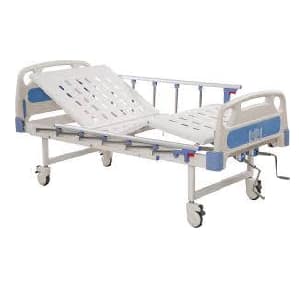
Adjustable Bed Hospital
Most helpful for: Those who have difficulty getting out of bed, or transferring, or need to be positioned.
An adjustable hospital bed reduces the need to physically assist patients to a flat position.
Mattress and Positioning Support
Most helpful for: Patients who are bedbound for extended periods.
A good medical mattress prevents skin breakdown and muscle stiffness that comes with extended periods of inactivity.
Respiratory Equipments
Most helpful for: Clinically compromised breathing patients.
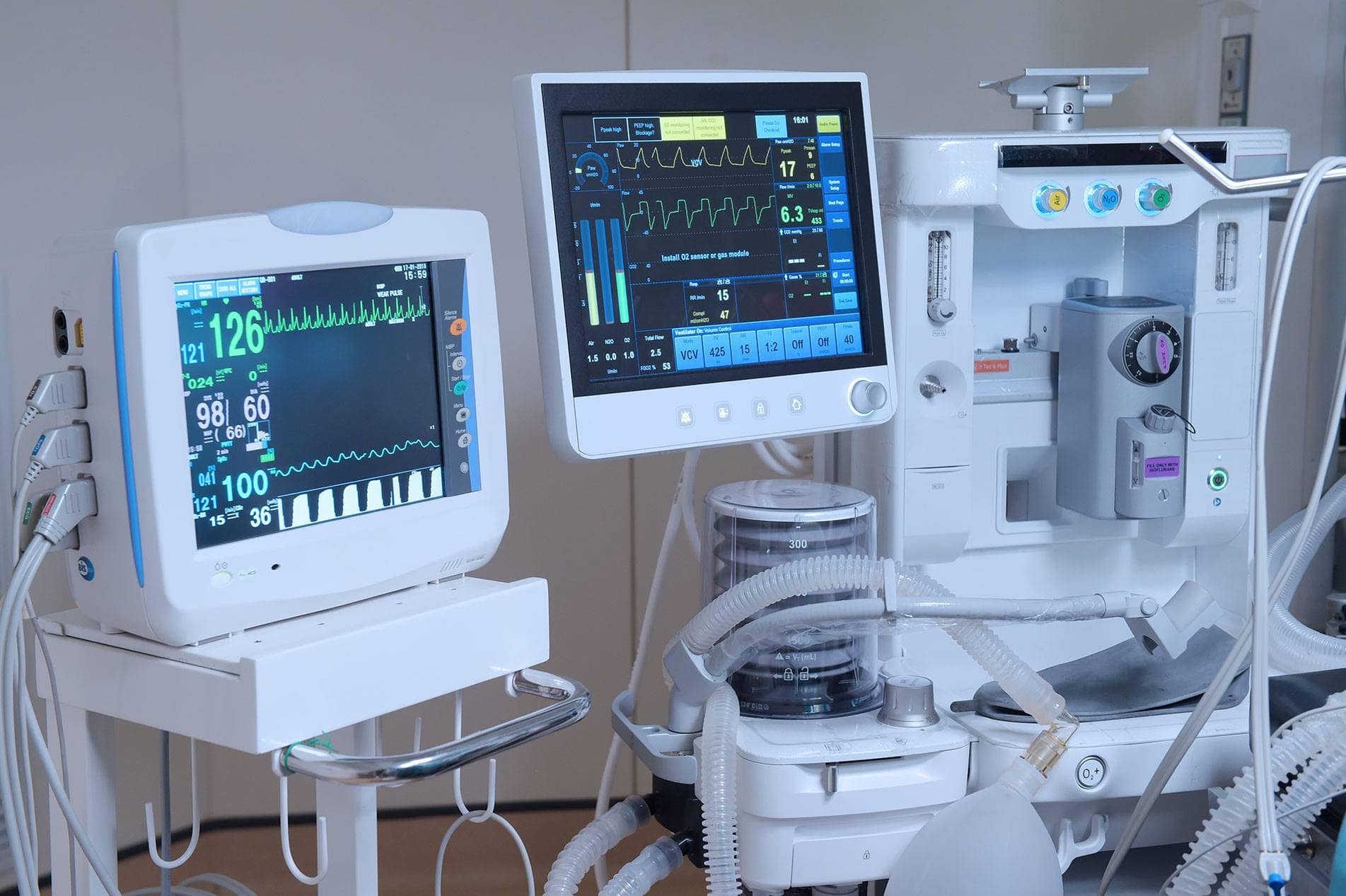
Oxygen and assisted breathing (CPAP and BiPAP) devices aid and support medical breathing.
A detailed prescription is always needed before using any medical equipment mentioned.
When Might a Hospital Bed Be Useful at Home?
Let’s talk about sleeping arrangements. A family member can spend a lot of time resting in their bed. The regular mattress used at most residences is not a long term solution.
A hospital bed is needed if the patient cannot sit up to eat, if the patient has difficulty getting in or out of bed, or if the patient has to be repositioned often to prevent stiffness. It’s an excellent invention for family members of caregivers to save them from injuring their back from having to assist in caregiver repositioning.
Does every patient that has had surgery need a hospital bed?
No. A hospital bed is NOT required after surgery. A hospital bed is needed when everyday activity such as positioning, getting in/out of bed, and repositioning yourself is limited and/or painful, as well as if it takes a lot of care to assist daily transfers due to heavy caregiver support. If the patient is mobile and can get to where they need to be without help then the bed they currently have meets all the needs.
How Can Families Prepare the Home Before Discharge?
Preparing your space in advance helps you focus on recovery once they arrive. Here’s some tips to help you prepare:
Clear pathways – To prevent unplanned falls, take up electrical cords and remove clutter from the floor.
clear access to the bathroom – Make sure the path to the bathroom is clear and if possible place non-slip mats.
Put what they will need most used at arms reach – Place water and chargers by their bed to cut down the number of times they need to get up.
figure out who will help them – Determine who will assist with their physical needs
figure out the best location for bed and chairs – Decide the placement of bed and chairs.
inspect everything before they get there – Check if everything works. It is best to do it as early as possible.
Basic operation instruction – Learn to control bed settings or how to lock wheelchairs.
Good luck!
Frequently Asked Questions About Post-Surgery Home Recovery
Q1. What types of medical equipment will I need following surgery?
Ans: Some equipment you may find useful includes walkers, wheelchairs, or adjustable beds. The easiest way for the patient to walk, sit, or stand will determine which equipment is most suitable.
Q2. Do all patients require a hospital bed post-surgery?
Ans: Definitely not. If a patient can safely get on and off a regular bed then a hospital bed is not necessary.
Q3. What are the signs a patient may need a wheelchair after surgery?
Ans: A wheelchair may be advised by a physician if patients can not walk or if walking around the house leads to severe exhaustion, dizziness, and light headedness.
Q4. Do seniors require surgery equipment?
Ans: Absolutely. Equipment like a walker helps people regain balance and strength after surgery.
Q5. What medical professional decides on the necessary equipment?
Ans: The treating doctor or physical therapist. Before a patient is sent home or discharged, the mobility of the patient is assessed and the necessary equipment is prescribed.
Conclusion
Bringing a family member back from the hospital is a challenging experience. It can be overwhelming to plan for the aftercare, especially when you are unsure about the equipment you may need. You might be surprised to learn you may need an extra set of hands for post-operative recovery.
Mobility, positioning, safe transfer, recovery length, and your personal strength as a caregiver are all key factors in considering the amount of aid you may require. Use practical examples of the everyday recovery to determine how you can set up your home for healing in Bengaluru.
If you get to the point where you know a hospital bed or wheelchair will help with recovery, contact KR Healthcare for assistance with your recovery bed.

Kishore K is a healthcare and medical equipment specialist with 18 years of industry experience, including 10 years with KR Health Care. He has extensive expertise in medical equipment rentals and sales, helping hospitals, healthcare professionals, and home-care patients access reliable and cost-effective healthcare solutions. Under his leadership, KR Health Care has become a trusted provider of oxygen concentrators, oxygen cylinders, BiPAP and CPAP machines, hospital beds, wheelchairs, and other medical equipment. Recognized with IndiaMART TrustSEAL and Justdial Recognition, Kishore K is committed to delivering quality healthcare solutions and exceptional customer service across Bengaluru, Hyderabad, Mysore, and nearby regions.